

The Intersection of Car Dealership Test Drives, Waiting Times, and Brilliant Wilds Slot Fun throughout the UK

Moving through the UK car market involves a series of delays and evaluations, beginning with the first research up to the crucial test drive brilliant-wilds.com. The modern consumer experience has developed, with dealerships organising appointment books and potential buyers looking for ways to make use of their downtime. In this landscape of anticipation, digital entertainment, notably engaging online slots like Brilliant Wilds Slot, has found an unforeseen niche. We examine this blend, analysing how the procedural delays inherent in purchasing a vehicle can overlap with the instant, vibrant world of online gaming. This is not just about passing time; it’s about grasping the evolving behaviours of consumers who seamlessly blend practical tasks with leisure activities on a single mobile device.
Connections Between Vehicle Purchasing and Gaming Participation
On the face of it, purchasing a vehicle and trying an online slot seem worlds apart. However, we can identify interesting similarities in the psychological engagement they promote. Both include an element of excitement and reward evaluation. Picking a car involves picturing future trips, prestige, and functionality—a deferred but substantial reward. A game like Brilliant Wilds Slot offers prompt, smaller-scale rewards through victories and bonus rounds. Both processes are decision-intensive: customizing a vehicle versus picking a stake. Importantly, both are aspirational in their own manners. The car represents a tangible life improvement, while the game delivers the excitement of a potential win. This shared vocabulary of selection, risk, and benefit makes the move between the two activities less jarring than one might expect.
Understanding Contemporary UK Car Sales Outlet Dynamics
The conventional notion of a Saturday morning spent browsing a forecourt is declining. Present-day UK vehicle purchasing journey is becoming more booking-oriented and digital-first. Prospective buyers conduct thorough research online, narrowing choices to a handful of models before ever setting foot in a showroom. This change implies sales centres routinely organise booked test drives for well-informed buyers, which simplifies the procedure but also creates designated gaps of downtime. These periods—between arriving and the sales representative’s readiness, or during car being readied—constitute periods of inactivity. For the buyer, this time is an essential component of the transaction; for the astute dealership, it constitutes a moment of customer engagement that is presently underused and ideal for scrutiny within the today’s customer expectations.
The Prearranged Test Drive Model
Appointment systems have provided efficiency yet also inflexibility. A client’s time at the showroom is often segmented: check-in and documentation, the test drive, and the after-drive talk. If a part runs over, or if a prior appointment delays the start, a backlog occurs. This scheduled atmosphere is significantly different from the impulsive, instant-access world of digital services. The comparison emphasises a point of tension in the customer journey—the transition from the self-directed, fast-paced online research phase to the physical, timetable-dependent dealership experience. Acknowledging this disconnect is the first step in seeing where supplementary activities, such as mobile gaming, fit seamlessly into the void.
Customer Expectations and On-Site Experience
Today’s buyers, accustomed to on-demand services, demand a lot for their time. A waiting period that is not organised or occupied can negatively colour the whole showroom experience. Even though many sales centres have coffee, wireless internet, and plush seating, these are passive amenities. The active, engaged customer, mobile device in hand, frequently looks for a more stimulating diversion. This is not a comment on the showroom’s service but instead on the deep-seated tendency to multitask and consume digital media. The desire is for fluid combination of tasks, where queuing for one service does not imply a total stop in personal entertainment or productivity.
Evolving Fusion: Tech, Transactions, and Recreation
Moving forward, the lines between diverse kinds of digital engagement may fade further. Could we see integrated platforms where a customer researches a car, arranges a test drive via the brand app, and, within the same ecosystem, has access to branded entertainment during the wait? Or perhaps dealerships will build their own lightweight, branded games that subtly highlight vehicle features? The core shift is the consolidation of multiple activities—research, commerce, communication, entertainment—onto single, multifunctional devices. Acknowledging this, businesses across sectors, including automotive retail, must consider the customer’s time holistically. The ‘test drive wait’ is not an empty space but a connected moment in a continuous digital thread, a moment where products like Brilliant Wilds Slot already reside.
The Real-World Picture: Blending Activities in a Single Visit
Let’s imagine a typical scenario. A customer shows up for a test drive, checks in, and is told there will be a ten-minute wait. They take a seat in the lounge. Instead of idly swiping through social media, they open a gaming app. A few minutes with Brilliant Wilds Slot provides a cognitive reset. When the sales executive comes, the customer closes the app, mentally separating the leisure activity, and shifts focus entirely to the vehicle. Post-drive, while waiting for figures to be calculated, they might engage for another few minutes. This mixing is smooth and personal, managed entirely by the customer on their own device. It symbolizes a modern coping mechanism for fragmented schedules, turning what was once downtime into personally curated uptime.
Ethical and Responsible Considerations
It is vital to address the responsible dimension of this intersection. Car purchases are substantial financial decisions requiring undivided focus. Gaming, including slots, should always be approached with moderation and awareness. The blending we describe assumes a responsible consumer who can separate activities. The use of gaming as a brief distraction is essentially different from prolonged play that could impair judgment. Both dealerships and game providers share a duty to promote healthy engagement. For the customer, self-awareness is key: the game is a temporary diversion, not the main event, and should never interfere with the careful consideration a major purchase demands.
The Phenomenon of Waiting in Customer Processes
How we perceive time is personal and greatly impacted by engagement. A prolonged and boring wait can breed impatience and discontent, possibly endangering a sale. The psychology here is clear: occupied time feels shorter than unoccupied time. Within a car dealership setting, the client is already anticipating and assessing. Adding boredom to this mix is counterproductive. Consequently, managing wait periods is a subtle but key element of customer service. Giving customers something to think about is more than a kindness; it’s a tactical approach to sustaining a positive emotional state and maintaining their interest in the broader scope of aspirational buying and thrilling choices.
- Anxiety Alleviation: A mental diversion can ease the slight anxiety tied to a significant financial commitment.
- Perceived Worth: Time spent enjoyably adds to the overall positive perception of the service encounter.
- Regaining Control: Choosing an activity restores a sense of personal agency during a process largely controlled by the dealership’s schedule.
On-the-go Entertainment as a Ubiquitous Solution
The smartphone has become the all-purpose tool for filling voids in our daily schedules. In waiting rooms, on commutes, or during dealership test drive delays, it is the main portal for communication, information, and entertainment. The mobile gaming sector, in particular, has thrived by offering fast, session-based experiences crafted for these very moments. Games that can be initiated and stopped without major commitment are perfectly adapted to interruptible environments. This trend has moved gaming from a niche hobby to a popular pastime, making it a common sight in diverse settings, among them the professional and retail environments of a car showroom.

The Rise of Quick-Pickup and Session-Based Gaming
Unlike narrative-driven console games, casual mobile games are built around short play sessions. They offer direct engagement loops—a spin, a puzzle, a short race—with a clear start and end. This design philosophy fits ideally with the variable length of a real-world wait. A customer can finish several fulfilling rounds of a game in the time it might take for their sales advisor to complete paperwork or prepare a demonstration vehicle. The self-contained nature of each session means there is no negative for stopping suddenly, a key feature for an environment where the primary activity (the car purchase) can resume at any moment.
Highlighting Brilliant Wilds Slot: Design and Allure
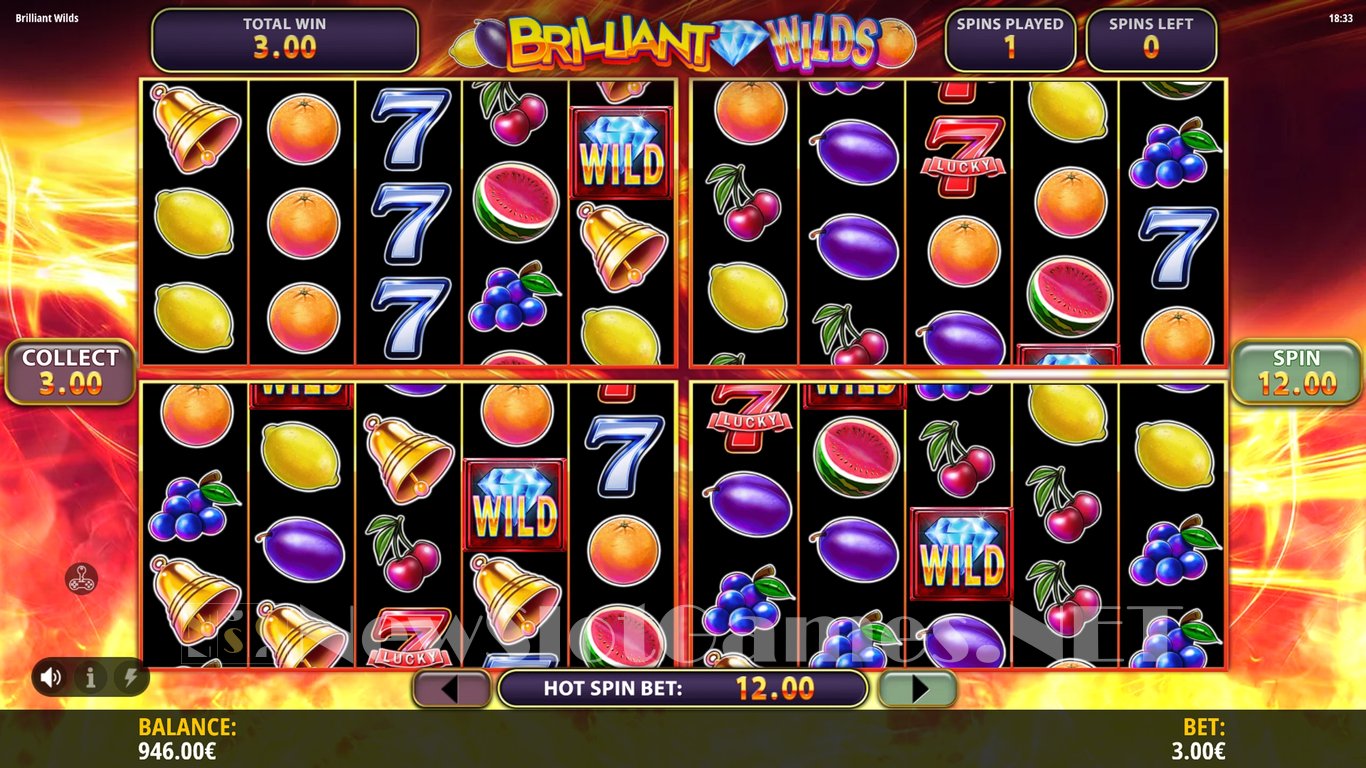
Within the vast ecosystem of mobile gaming, virtual slot machines like Brilliant Wilds Slot fill a distinct niche famous for their striking graphics and straightforward mechanics. What draws players is the direct sensory stimulation—vibrant graphics, engaging sound effects, and the excitement of each spin’s outcome. The gameplay rules are simple to grasp, requiring no long tutorial, which works for a casual play session. For a prospective car buyer, this provides a kind of mental break that is distinctly different from the analytical mindset of contrasting fuel economy, boot space, or finance packages. It’s a move from the left-brain to the right-brain, a short escape into a world of luck and vividness.
- Quick Thrills: The main action—hitting spin—is immediate and satisfying.
- Stunning Display: High-quality graphics and animations deliver a refreshing visual break from the real showroom.
- Measured Thrills: The game generates micro-moments of excitement that are perfectly scaled for a short waiting period.
In what ways Dealerships Might Address This Trend
Progressive dealerships may think about how to adjust their customer experience to this combined reality. This does not involve promoting specific games, but rather building an environment that recognises the digital habits of clients. The simplest step is providing robust, free, and easy-access Wi-Fi, as mobile gaming can drain data. Securing comfortable seating with accessible power outlets is another. Some may look at subtle design cues that differentiate ‘waiting zones’ from ‘discussion zones’, helping customers mentally change contexts. The guiding principle is to acknowledge that the customer’s attention will be shared and to facilitate a smooth transition between their digital world and the physical sales process when the time comes.
- Infrastructure Support: Focus on high-bandwidth Wi-Fi and readily available charging points.
- Zoned Areas: Set up clear, comfortable waiting areas distinct from sales desks to allow for private device use.
- Staff Training: Encourage staff to be mindful of customer immersion in devices and to approach respectfully to regain attention.
Larger Implications for UK Retail and Service Industries
The phenomenon observed in car dealerships is a microcosm of a broader shift across the UK’s retail and service sectors. From waiting for a table at a restaurant to waiting for a professional service, consumers are increasingly managing their interstitial moments. The success of any mobile entertainment product hinges on its ability to integrate into these fragmented slices of time. For businesses, the hurdle and opportunity are in designing customer journeys that either smoothly incorporate these personal digital activities or provide compelling alternatives that add value. The goal is not to rival the smartphone for attention, but to develop a physical service experience so fluid and captivating that the phone naturally remains unused—or, otherwise, to accept its role as a complementary tool.
