

The psychology behind risk-taking in gambling behavior
The psychology behind risk-taking in gambling behavior
The allure of risk in gambling
The psychology behind risk-taking in gambling is profoundly influenced by the thrill associated with uncertainty. Many individuals are drawn to the excitement of not knowing the outcome, which creates a potent emotional high. This anticipation can lead to dopamine release in the brain, a chemical associated with pleasure and reward. Consequently, the act of placing a bet may not merely be about the potential win but also about experiencing that rush of adrenaline. For instance, you can find a comprehensive platform for gaming and betting at https://VIBESPINS.bet/, which offers various options to enhance your odds.
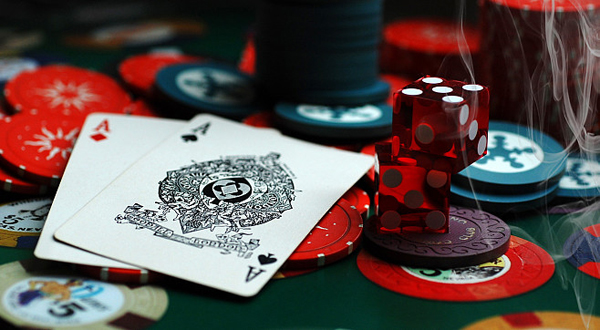
Furthermore, the social aspects of gambling play a significant role in fostering risk-taking behavior. Many people enjoy the camaraderie found in casinos or during sports betting events. This social interaction can amplify the excitement of gambling, causing individuals to take larger risks than they normally would if they were alone. The presence of peers often leads to a phenomenon known as “social facilitation,” where individuals perform actions with greater intensity and enthusiasm due to the encouragement or participation of others.
Lastly, the environment in which gambling occurs significantly influences risk-taking behaviors. Casinos are designed to be stimulating, filled with bright lights, sounds, and an ambiance that reinforces the idea of winning. This sensory overload can distort a player’s perception of risk and reward, prompting them to make bolder decisions. Gamblers may become so engrossed in the environment that they lose sight of their financial limits, further fueling their inclination to take risks.
Cognitive biases in gambling decisions
Cognitive biases can heavily influence how individuals perceive risk in gambling scenarios. One common bias is the “gambler’s fallacy,” where individuals believe that past events can influence future outcomes, even in games of chance. For instance, if a player observes a series of losses on a slot machine, they may incorrectly assume that a win is due. This fallacy can compel gamblers to take unnecessary risks, convinced that their luck is about to change.
Another cognitive bias prevalent in gambling is overconfidence. Many gamblers develop an inflated sense of their ability to predict outcomes, often based on previous wins or anecdotal evidence. This bias can lead them to engage in riskier bets, believing they possess insights or strategies that others do not. Such overconfidence can cloud judgment and drive players to chase losses, further exacerbating their financial situation.
Additionally, selective memory also plays a crucial role in shaping gambling behavior. Gamblers often remember their wins more vividly than their losses, a phenomenon known as “loss aversion.” This tendency to focus on favorable outcomes can create a distorted view of their gambling habits, leading to the belief that they are more successful than they are. As a result, individuals may take greater risks in the hope of replicating those past successes, perpetuating a cycle of reckless gambling behavior.
The role of emotions in gambling choices
Emotions profoundly impact gambling decisions, shaping how individuals assess risk and reward. When feelings such as excitement or anger arise, they can cloud rational judgment. For instance, a gambler who experiences a significant win might feel invincible and compelled to wager larger amounts, thinking the streak will continue. Conversely, those experiencing frustration from losses might chase their losses with impulsive bets, driven by the desire to regain what they’ve lost.
Moreover, the emotional state of a gambler can shift rapidly based on immediate outcomes. Winning can induce feelings of joy and euphoria, while losing can trigger anxiety or despair. These emotional highs and lows are part of what makes gambling appealing to many, yet they can also lead to erratic decision-making. The interplay of these emotions can make it challenging for players to adhere to a pre-planned budget or strategy, resulting in irrational risk-taking behaviors.
In addition, the link between emotions and gambling can result in addictive behaviors. Many individuals may turn to gambling as a means of escaping negative emotions or stress, viewing it as a form of entertainment or distraction. This emotional reliance can quickly lead to a pattern of compulsive gambling, where the risks taken become increasingly significant. Understanding the emotional triggers that lead to gambling can be crucial in developing strategies for responsible play and risk management.
Impacts of social influences on gambling behavior
The social environment plays a pivotal role in shaping gambling behaviors and risk-taking tendencies. Friends and family members who engage in gambling can create a cultural norm that encourages participation. When individuals see their peers enjoying successful outcomes, they are often motivated to join in, reinforcing the perception that gambling is a socially accepted and potentially rewarding activity. This collective enthusiasm can lead to increased risk-taking.
Peer pressure is another powerful factor influencing gambling behavior. In social settings, individuals may feel compelled to engage in riskier bets to align with their group or earn social approval. This dynamic can result in people betting amounts they wouldn’t normally consider, driven by the desire to fit in or impress others. The fear of missing out can prompt individuals to abandon their better judgment, leading to decisions fueled more by social dynamics than personal assessment of risk.
Furthermore, the growth of online gambling communities has transformed how social influences impact risk-taking. These platforms allow players to share experiences, strategies, and outcomes, creating a virtual culture around gambling. As individuals witness the successes of others, they may feel motivated to take similar risks, often ignoring the negative consequences that might ensue. This online dynamic fosters a sense of competition and urgency, which can escalate risk-taking behavior beyond typical levels.

Responsible gambling at VibeSpins
At VibeSpins, the commitment to responsible gambling is a cornerstone of the user experience. Understanding the psychological factors that influence gambling behavior, the platform incorporates features designed to promote safe play. Users are encouraged to set personal limits on deposits, bets, and losses to help manage their gambling activities. These tools empower players to maintain control, reducing the chances of succumbing to impulsive risk-taking.
Moreover, VibeSpins offers educational resources that delve into the psychology of gambling. By providing insights into cognitive biases, emotional triggers, and social influences, the platform equips users with the knowledge necessary to make informed decisions. Recognizing the underlying factors that drive risk-taking behavior can be instrumental in fostering a healthy relationship with gambling.
Finally, VibeSpins prioritizes user safety through robust account management and secure transactions. The platform’s design is geared toward enhancing user experience while ensuring that responsible gambling remains a top priority. With continuous promotions and a wide array of gaming options, VibeSpins successfully marries entertainment with safety, creating a responsible gambling environment for all users.
